
The most underrated stop in Lipa
If you stay in Lipa for a weekend, you will be told to go to Mt. Maculot, to Beegee’s for lomi, and to Café de Lipa for coffee. You will probably not be told to visit Casa de Segunda. That’s the gap this article fills.
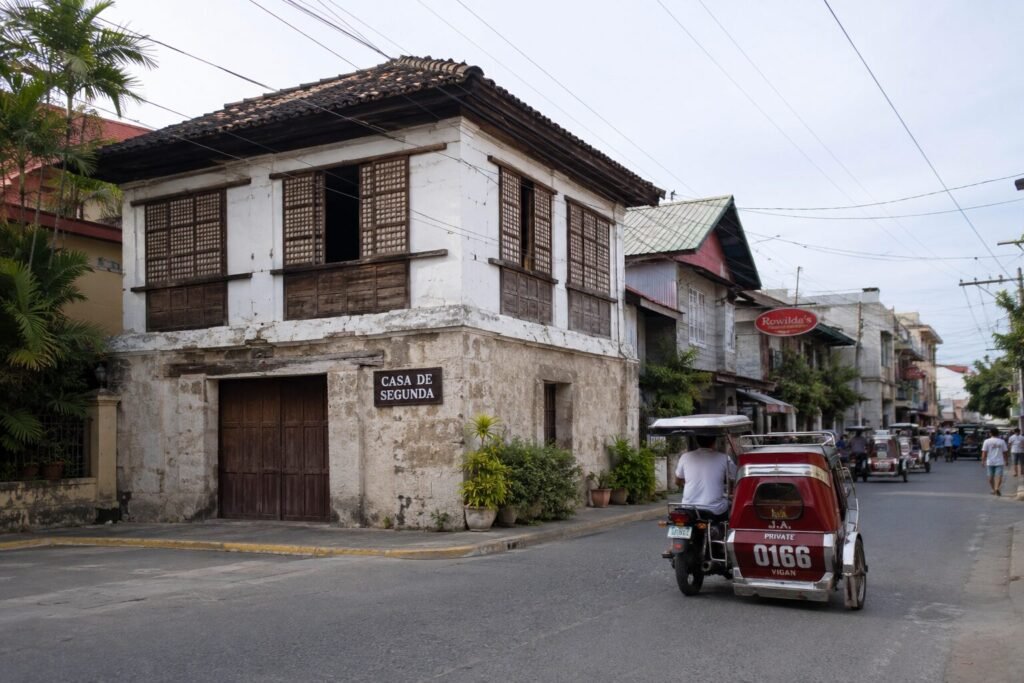
Casa de Segunda is the restored ancestral home of Segunda Katigbak — historically remembered as Jose Rizal’s first love — preserved as a small private museum in Lipa. It’s a 45-minute visit that gives you more context about why Lipa feels the way it does than any other single stop in the city. The wooden floors are original. The capiz windows are original. The family photographs on the walls are real. And the docent who walks you through the rooms is, on most weekends, someone who genuinely knows the family history.
The honest reason most travel guides skip Casa de Segunda is that it’s quiet, undramatic, and doesn’t make for great Instagram content. The honest reason we tell every HavenInLipa guest to visit is that it’s the single stop that makes the rest of the city legible.
Who was Segunda Katigbak
A short biography for context. Segunda Katigbak (1860–1944) was a young woman from Lipa from one of the prominent local landowning families during the Spanish era. She is remembered in Philippine history primarily for one reason: she was the first love of Jose Rizal, the national hero.
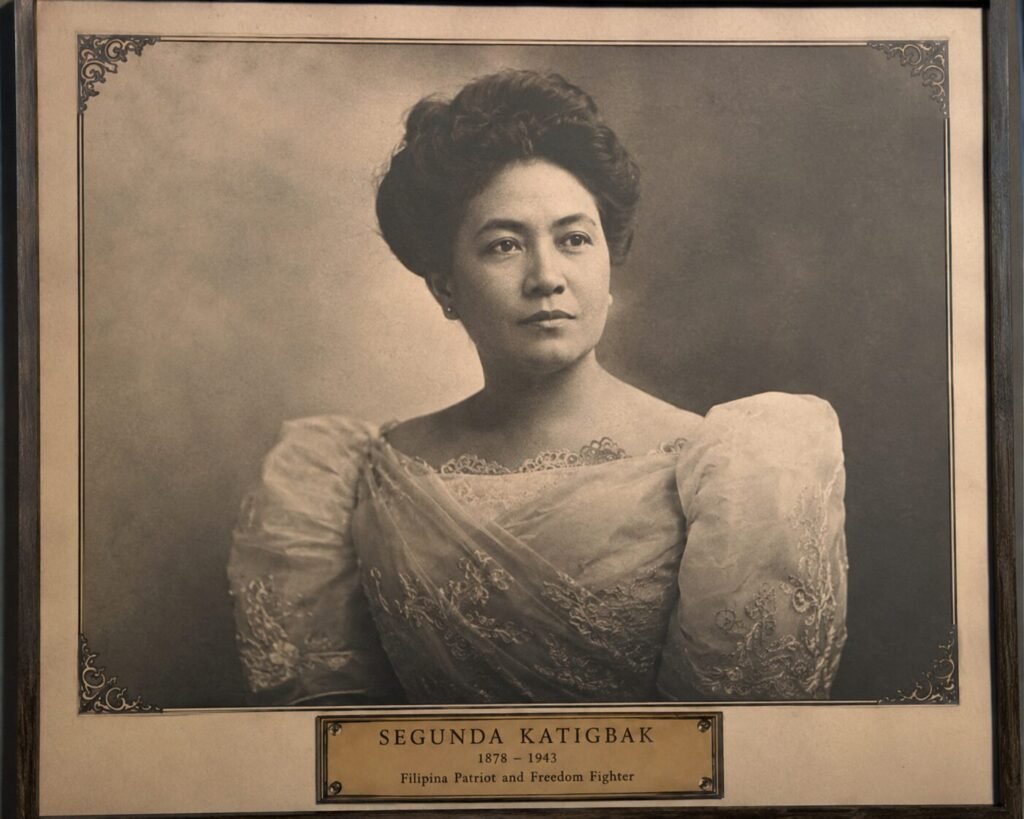
The story is documented in Rizal’s own writings. He met her in Manila around 1877 when both were students. She was already engaged to another man — a marriage that proceeded — and the relationship was unrequited. Rizal wrote about her at length in his memoirs.
But Segunda Katigbak’s significance goes beyond “Rizal’s first love,” even though that’s the framing most tourist materials use. She was a member of one of the leading families of Lipa during its coffee-boom prosperity. Her family home represents the lifestyle and social standing of Batangas’s landowning class in the late 1800s — the same class whose wealth (from coffee) built much of Lipa’s heritage architecture.
The house, restored by descendants and opened as a small museum, preserves that period in a way that no textbook or tourism brochure can.
What you’ll see inside
Casa de Segunda is a typical bahay-na-bato — the Filipino-Spanish architectural style with a stone or brick lower floor and a wooden upper floor with sliding capiz-shell windows. Most preserved bahay-na-bato in the Philippines are in Vigan, Taal, or other heritage towns. The Casa de Segunda example in Lipa is smaller-scale but exceptionally well-preserved.
A typical visit takes you through:
The ground floor. Originally used for storage, the family carriage, and household staff quarters. Now the entrance and lobby area for the museum. You’ll see period agricultural implements, old furniture, and sometimes display cases with family artifacts.
The grand staircase. Heavy wooden steps leading to the main living floor. This was the architectural signal that the upper floor was the formal, family-only space.
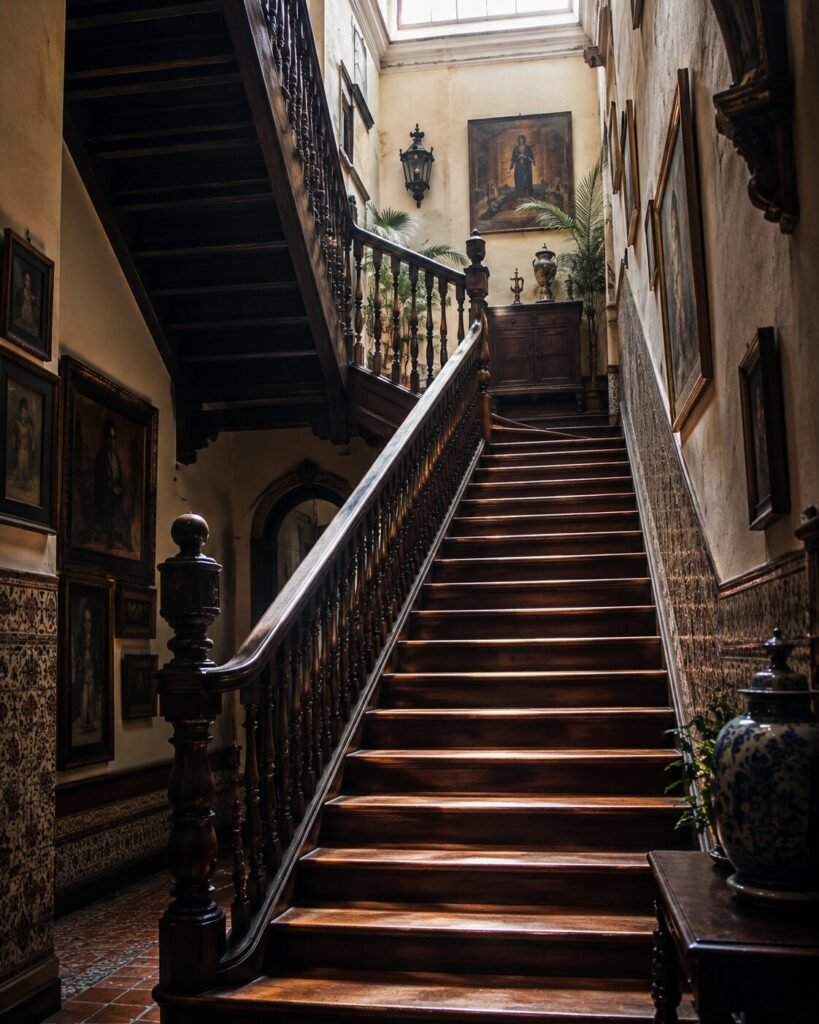
The sala (living room). Large, airy, with high ceilings, polished wooden floors, and capiz-shell windows that filter the afternoon light. Furnished with period pieces — narra chairs, ornate cabinets, oil portraits.
The dining room. Long wooden table, period china, a working ceramic water filter from the era. The kitchen and pantry adjacent.
Family bedrooms. Modest by modern standards but well-appointed for the period. Four-poster beds, mosquito netting, simple wooden cabinets.
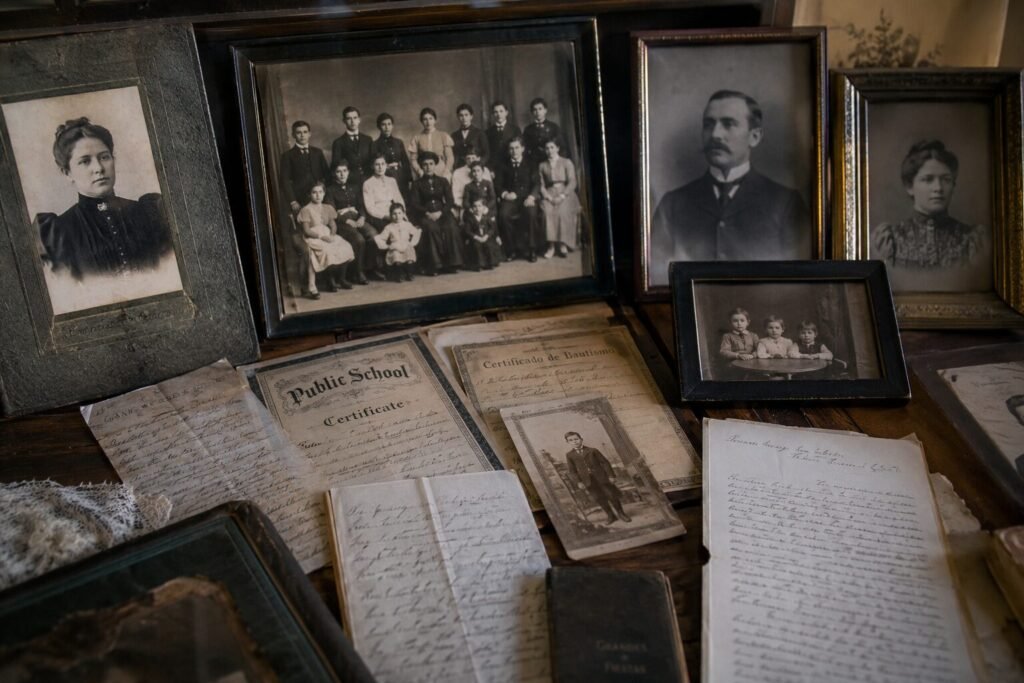
Family photographs and documents. This is the part most visitors find most moving. Real family photos from the late 1800s through early 1900s. Letters. School certificates. A genuine sense of a family that lived here.
The interior garden / patio. A small open-air space typical of Spanish-influenced houses, providing ventilation and natural light to the inner rooms.
The whole visit takes about 45 minutes if you read everything, 25 if you don’t. There’s no rushed feel — the museum is small enough that crowds aren’t an issue. On most weekday visits, you may be the only guests in the house.
Practical information
Location. Casa de Segunda is in central Lipa City, a short drive (5 to 10 minutes) from most Lipa-area vacation rentals including HavenInLipa. Exact address and current details are best confirmed via the museum’s social media or by calling ahead — small heritage operations like this can adjust hours seasonally.
Hours. Generally open Tuesday through Sunday, typically 9 AM to 5 PM. Closed Mondays. Call or message ahead — especially during the rainy season when smaller adjustments to hours are more common.
Entrance fee. Modest — typically in the ₱50 to ₱150 range per person. Some sources list student and senior discounts; confirm at the door.
Guided tour. Often included with admission. The docents are generally knowledgeable and happy to answer questions. If you want a more in-depth visit, ask if a longer guided tour is available — for small groups, this is sometimes possible with advance request.
Photography. Usually allowed in most rooms, sometimes with flash restrictions. Always ask before photographing family artifacts up close.
Accessibility. The house has stairs to the main living floor and is not fully wheelchair accessible. Visitors with mobility limitations can still see the ground floor and the courtyard.
Parking. Limited street parking nearby. Drop-off then park-and-walk is the standard approach.
A 90-minute Lipa heritage walk
Casa de Segunda fits into a longer heritage walk that’s the best half-day in Lipa for travelers who want depth over Instagram. Here’s the route:
Stop 1 — Casa de Segunda (45 min)
Start here. The earliest morning hours are best for cool light and empty rooms.
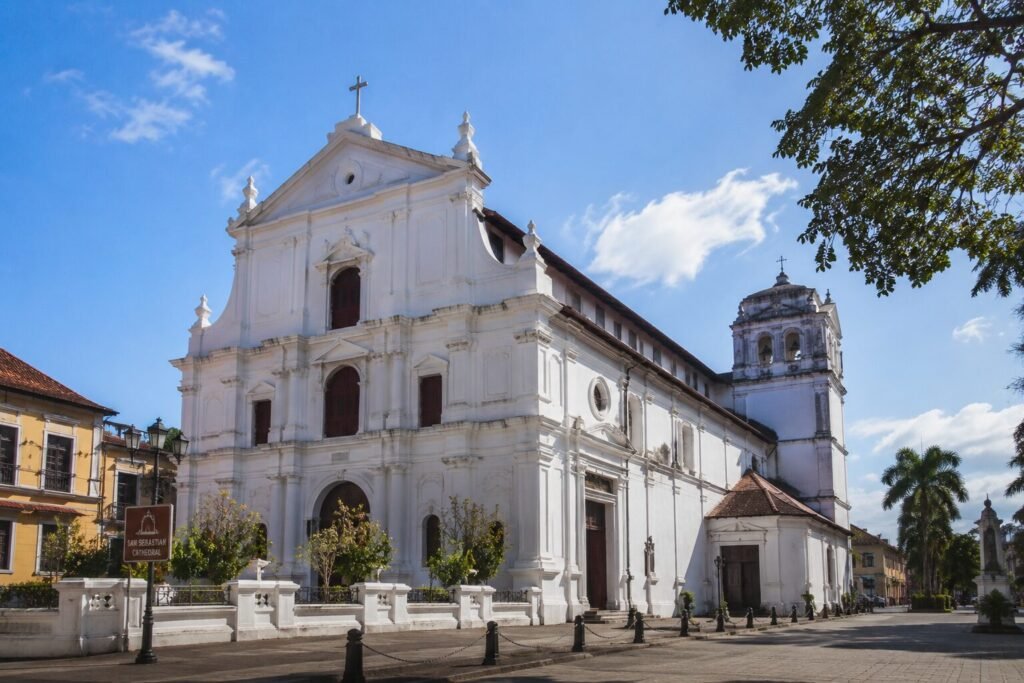
Stop 2 — San Sebastian Cathedral (15 to 20 min)
A 5-minute drive (or 10-minute walk if your route allows) takes you to San Sebastian Cathedral, the principal Catholic church of Lipa. Built in stages, rebuilt and expanded over the centuries, it’s one of the largest cathedrals in the Philippines. Step inside for the stained glass, the high vaulted ceiling, and the sense of the parish history that anchored Lipa’s social life for generations. Light a candle if you’re inclined.
The cathedral is also a logical lead-in to the upcoming Lipa Carmel and pilgrimage stays guide (publishing July 27, 2026), which goes deeper into Lipa’s religious heritage.
Stop 3 — Plaza Independencia (10 min)
Across from the cathedral, Lipa’s main public square. A short walk through the plaza, a look at the City Hall, and the public monument at the center. This is the civic heart of the city.
Stop 4 — Other heritage houses in the vicinity (15 to 25 min)
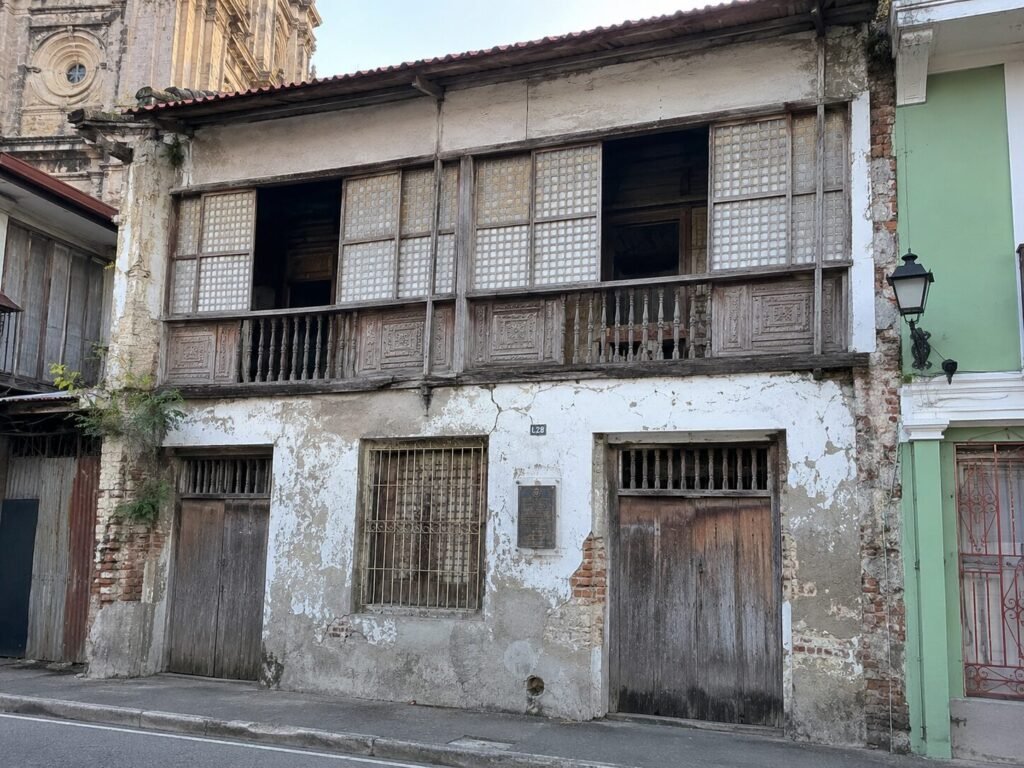
The area around the cathedral and the older Lipa neighborhoods contains several other preserved or partially-preserved Spanish-era and early-American-era houses. Most are private and not open to visitors, but a slow walking pace lets you appreciate the facades, the capiz windows, and the original masonry. Local guides occasionally lead walking tours of these houses — ask at Casa de Segunda whether a current tour is offered.
Stop 5 — Café de Lipa or a heritage-side café (30 min)
End the walk with coffee at Café de Lipa or one of the smaller cafés in the heritage zone. Sit with the experience for a half-hour before moving on. This is the moment when Lipa’s pace makes sense.
Total walk: 90 to 120 minutes, with stops. Half a kilometer of total walking, much of it covered. Doable in light rain with an umbrella; better in clear weather.
For more context on Lipa’s coffee history that built this architecture, see our barako coffee heritage guide.
Why this matters for the rest of your trip
The reason we send guests to Casa de Segunda first is that everything else in Lipa makes more sense afterward. The cathedral’s scale, the family-run restaurants, the way the city slows down on weekends, even the persistent local pride in barako coffee and lomi — all of it traces back to the late-1800s prosperity that the Katigbak family and the houses like theirs represent.
Lipa wasn’t always quiet. It was, for a generation in the late 1800s, one of the richest towns in the Philippines. The houses are the evidence. The slow pace is what’s left after the coffee-boom wealth quieted down. The city has been comfortable in its own skin for a long time.
You feel that when you walk through Casa de Segunda. The rooms aren’t grand in the way Manila colonial mansions can be. They’re domestic, comfortable, intelligent. A family lived here who knew themselves.
Other heritage stops worth considering
Casa de Segunda is the anchor, but a few other options for travelers who want more:
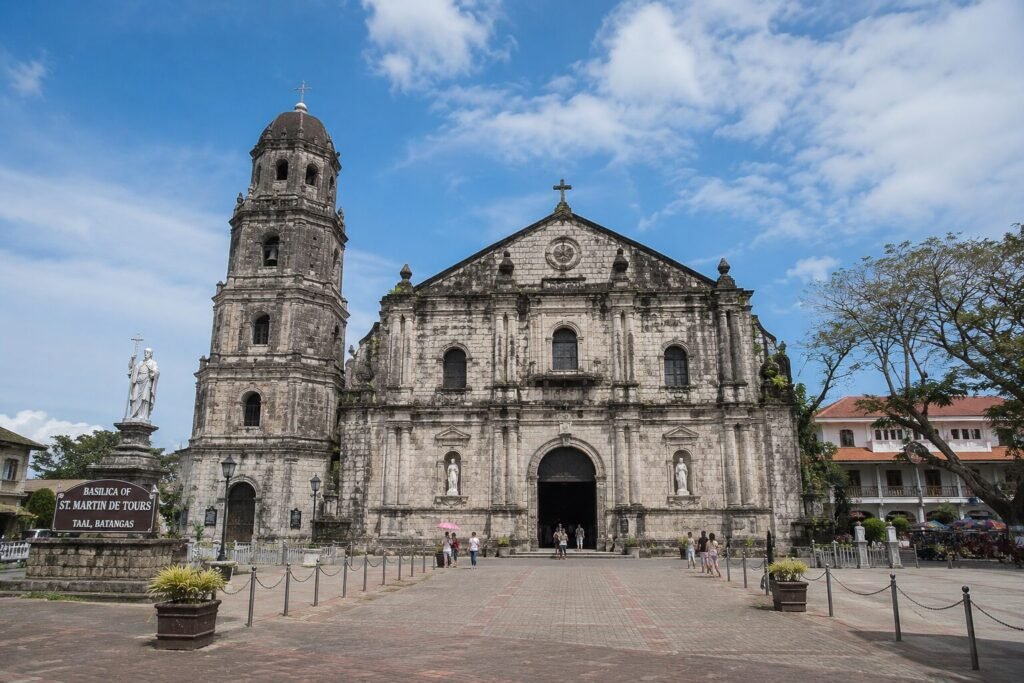
Taal Heritage Town (45 minutes from Lipa). Not the volcano — the town of Taal in southern Batangas, which has the largest concentration of preserved bahay-na-bato in the Philippines outside of Vigan. Basilica of Saint Martin de Tours, multiple ancestral house museums, traditional barong tagalog and embroidery workshops. A full half-day to do it justice. For couples and heritage-focused travelers, this is the deeper version of the heritage walk.
Mt. Malarayat area. Less about heritage architecture, more about the older Lipa landowning estates that survived the 20th century. Drive-by only — most are private.
Old Lipa Public Market. A working market with a long history. The vendors, stalls, and rhythm haven’t changed much in decades. Not a museum, but a real piece of living heritage.
Lipa City Museum. Smaller civic museum with local history exhibits, sometimes with rotating themed displays. Worth 30 to 45 minutes if you’re already in central Lipa.
What to bring on a heritage walk
The Lipa heritage walk is gentle, but a few practical notes:
- Comfortable walking shoes. Cobblestone sections and uneven sidewalks in the older parts of the city.
- Compact umbrella (rainy season especially)
- Water bottle. Bring one; refill at the café.
- Cash for entrance fees and small market purchases (₱500 in small bills is plenty)
- A notebook if you take notes. The docents will share stories worth remembering.
- Respectful attire for the cathedral — shoulders covered is the gentle local norm
- Patience. This is not a checklist trip. The pleasure is in the pace.
Common heritage-walk questions
Is Casa de Segunda kid-friendly?
Yes, with caveats. School-age kids (7+) who can stay quiet in a museum setting do fine. The visit is short enough that even younger kids don’t melt down. The wooden floors and old furniture are not toy-friendly — keep an eye on small hands.
Is the museum still privately owned?
Yes. Casa de Segunda is owned and maintained by descendants of the Katigbak family. Visiting it directly supports the family’s preservation work, which is part of why we recommend it over generic tourist attractions.
Are guided walking tours of Lipa heritage houses available?
Periodically. Local guides organize heritage walking tours, especially during festivals and on weekends. Availability changes — ask at Casa de Segunda or your rental host for current recommendations.
How does Lipa heritage compare to Vigan or Taal?
Smaller in scale, less concentrated, but more lived-in. Vigan and Taal are heritage towns where the historic architecture is the whole identity. Lipa is a working city where the heritage is integrated into the daily fabric — quieter, harder to spot, but more authentic to how Philippine cities actually evolved.
Can I visit Casa de Segunda in the rain?
Yes, and it’s actually one of the best rainy-day Lipa activities. The interior is fully covered. The afternoon light through capiz windows is genuinely beautiful in soft rainy weather. See our rainy-day Lipa guide for more options.
Is there a gift shop?
Often yes — a small one with books, prints, and locally-made items. Inventory varies. The books on Lipa history are particularly worth picking up if you read Filipino history.
Ready to plan your Lipa trip?
We’ve got five places to stay in Lipa — all bookable direct, no Airbnb fees:
Just the two of you, or a small family
- 👫 Cozy 1BR — sleeps up to 5, solar backup during brownouts, from ₱1,500/night
Family or barkada trip
- 👨👩👧👦 Spacious 2BR — sleeps up to 9, from ₱2,800/night
- 🏰 Mickey in Lipa — Family Staycation — Disney-themed, sleeps up to 7, from P2,500/night
Big group or multi-family getaway
- 🏰 Mickey in Lipa — Family House — sleeps up to 11, from ₱4,500/night
- 🏰 Mickey in Lipa — Full Family House — sleeps up to 15, from ₱6,500/night
💸 Booking direct saves you 15–20% vs. Airbnb — here’s why
Message Melody directly — every HavenInLipa guest can ask for our current heritage-walk recommendations including which local guides are operating that month and which other ancestral houses are quietly open to visitors.