Why July is the underrated remote-work month
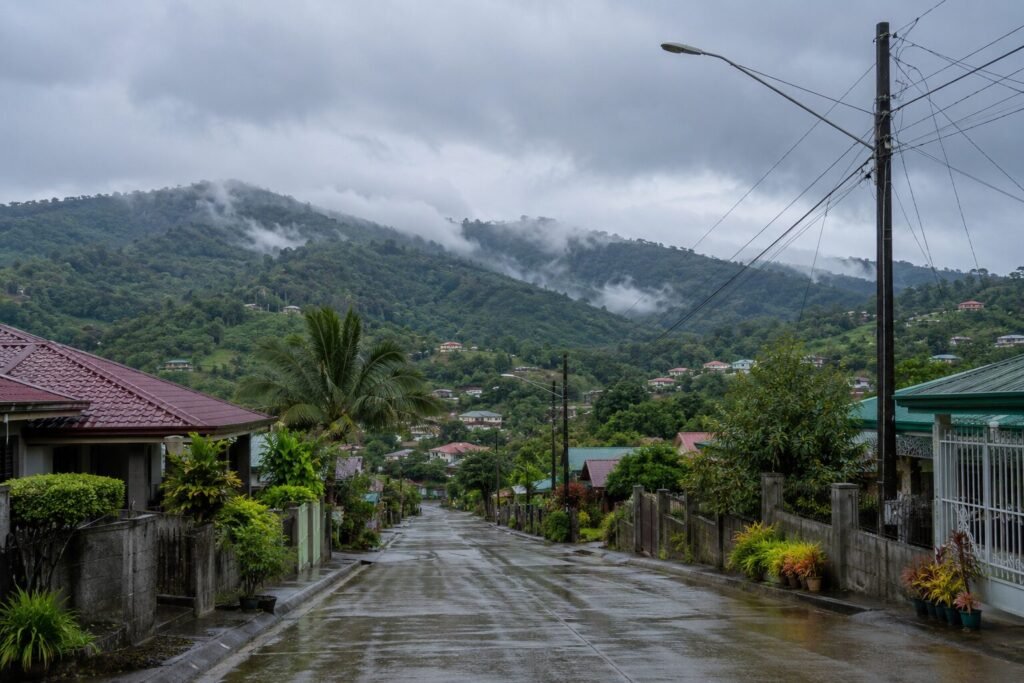
Most people who work from anywhere chase sunshine. They book Cebu in February, Siargao in March, Palawan in April. By July, when the southwest monsoon turns most of Luzon gray and wet, the digital nomad community migrates abroad — or just rides it out in Manila.
This is the article for the people who go the other direction. Lipa in July is one of the most productive working environments anywhere within a one-hour drive of Manila, and it’s because of the rain, not in spite of it.
We’ve hosted enough remote workers at HavenInLipa to recognize the pattern. The ones who come during sunny season tend to take more day trips. The ones who come in July sit down at the desk, get into a rhythm, and finish more in two weeks here than in two months in Manila. This is why.
Five reasons July works (literally)
1. The weather forces focus
July is the heart of southwest monsoon season. You’ll get 4 to 6 days a week with at least some rain — usually morning clouds, midday clearing, then a late-afternoon shower for one to three hours. Evenings are cool, often in the low 20s°C.
What this means for work: you stay at the desk. The mental “should I go to the beach?” pull is gone. The “should I take a long lunch outdoors?” pull is gone. There’s nowhere especially compelling to go between 9 AM and 5 PM in a Lipa monsoon — which sounds like a problem and is actually the entire benefit.
If you’re a remote worker who struggles with the distractions of a sunny destination, rainy Lipa is the version of “work from anywhere” that actually delivers on the “work” part.
2. Fiber WiFi that holds up in storms
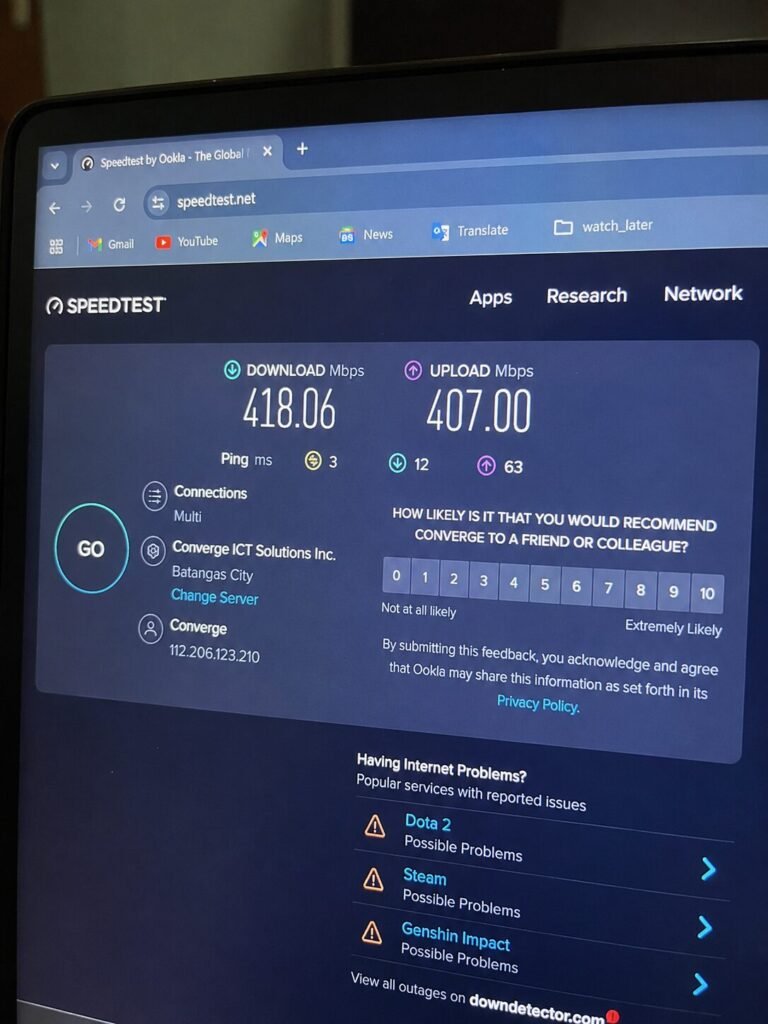
The fragile part of remote work in the Philippines is not the work — it’s the connection. Rainy season is when copper and 4G connections start dropping. Fiber, by contrast, is the most weather-resilient internet type available.
HavenInLipa runs fiber at both properties — measured at around 400 Mbps at the Cozy 1BR, with a similar tier at the Spacious 2BR. We’ve worked full days through Signal #2 typhoons here without the connection dropping. (We’ve also lost power during the worst of one of them — see the typhoon section below — but the line itself stayed up.)
For Zoom calls, video uploads, large file transfers, AI-assisted workflows that depend on consistent latency — this is the spec that matters more than anything else when picking a rental.
3. Rainy-season rates
July is shoulder season for Lipa. Manila parents aren’t bringing kids out for weekend trips. Tagaytay-bound couples push their trips to the dry season. Foreign tourists are mostly somewhere else in Asia.
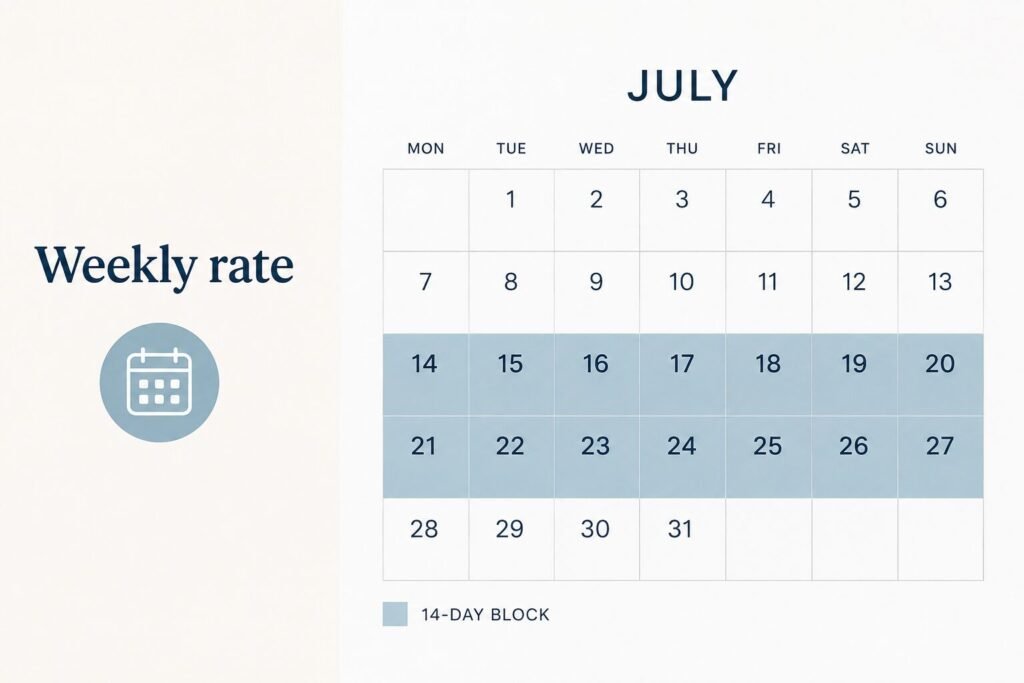
What this means: lower rental rates, better availability, and the ability to book extended stays (7, 14, 30 nights) at meaningful weekly discounts. A monthly rate on the 1BR in July often comes out 30 to 40% cheaper than what you’d pay nightly on an Airbnb in Manila or Tagaytay for the same dates.
Ask Melody directly about monthly rates — they’re not always listed on the website. Message the host.
4. Cool evenings that reset your brain
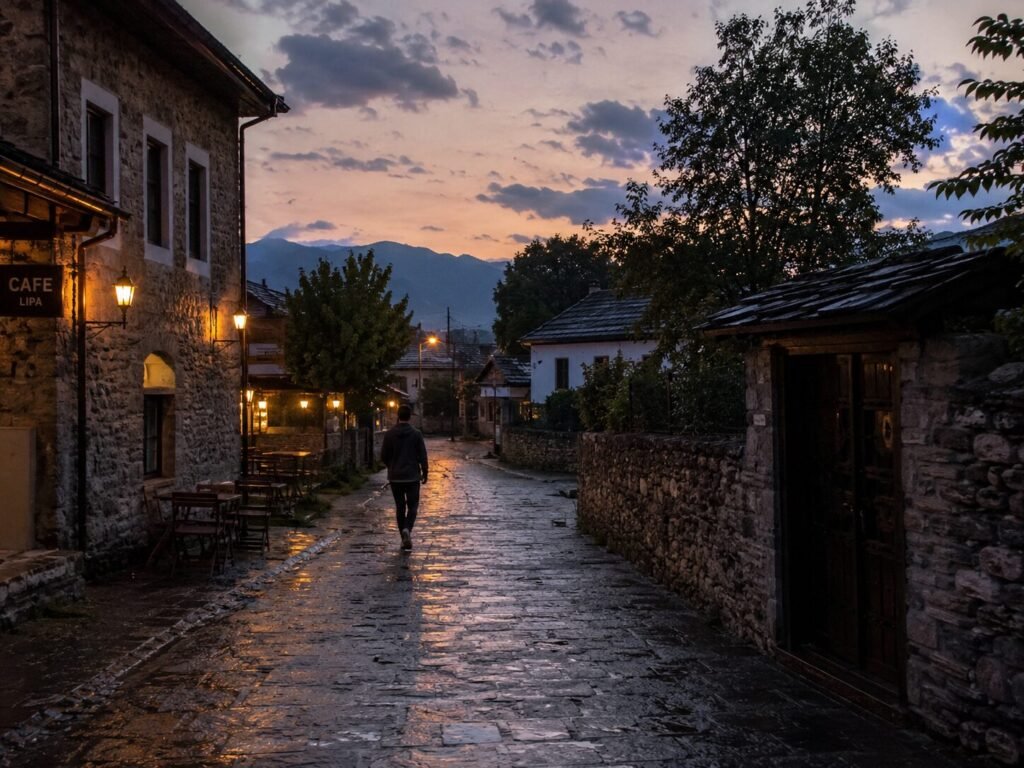
By 6 PM most rainy-season days, the temperature drops to 22 to 25°C and the air is clean. The kind of evening walk you can’t do in Manila in July — too humid, too polluted, too noisy — is genuinely possible in Lipa. Twenty minutes around the village, ear in the air, no phone, no city stress.
For remote workers running on Manila stress fumes, this is the underrated benefit. The work-day pattern of cool morning coffee → focused mid-day work → cool evening walk is the kind of rhythm that’s hard to manufacture in a high-density city.
5. The food infrastructure for working
Lipa has the food a working week needs: fast lomi for hungry days, real Filipino meals at Casa Marikit and the heritage restaurants, decent grocery at SM Lipa for in-rental cooking, and a working café scene for the days you want to leave the apartment. See our best restaurants and cafes guide.
What Lipa doesn’t have, and you should know: not many true “third place” co-working cafés in the Bali / Chiang Mai sense. Most Lipa cafés are full-service restaurants where laptops are tolerated rather than welcomed. The cafés that do work well for laptop sessions are spread out, not concentrated. The honest answer is that Lipa is a “work from your rental, occasionally venture out” destination — not a “café-hop all day” destination.
For most remote workers, that’s actually the right setup. The rental is the office. The café is the change-of-scenery. The lomi house is the lunch break.
A working week at Lipa in July
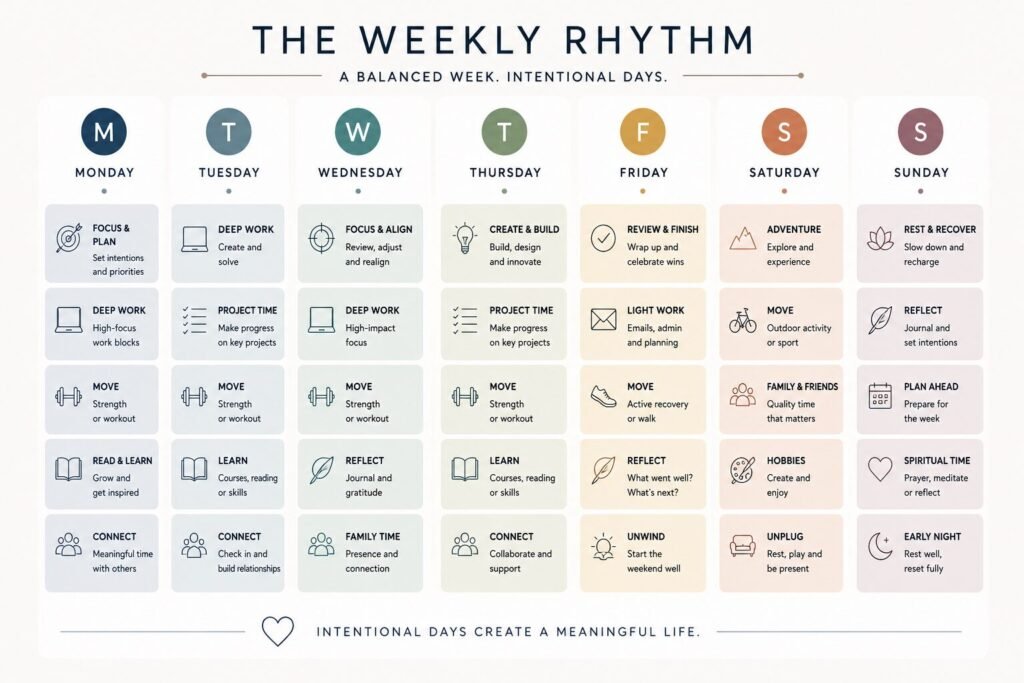
A real weekly rhythm built around rainy-season patterns:
Monday
- 7:00 AM Wake to cool air. Coffee at the rental.
- 8:00 AM First deep-work block — 3 hours, no Slack, no email
- 11:00 AM Quick walk before the rain
- 12:00 PM Lomi at Beegee’s or a quick lunch at the rental
- 1:00 PM Second deep-work block — 3 hours
- 4:00 PM Rain hits, calls or admin work, no leaving
- 6:00 PM Wrap. Cook dinner at the unit or pick up takeaway
- 8:00 PM Read. Sleep at 10.
Tuesday–Thursday
- Roughly the same pattern. The repetition is the point.
Friday
- Morning deep work
- Long lunch at Casa Marikit or the new café you’ve been meaning to try
- Afternoon admin
- Early stop, slow evening
Saturday
- Optional Mt. Maculot hike if the morning is clear (see our Mt. Maculot Hiking Guide)
- Or a heritage day — Casa de Segunda, the cathedral, a slow café afternoon
- Don’t open the laptop
Sunday
- Slow morning. Brunch. Coffee.
- Light admin and planning for the week
- Grocery run at SM Lipa
- Early evening rest
This is the rhythm that makes Lipa “productive but human.” The structural part — deep work in cool mornings, rain-enforced afternoons indoors, restorative weekends with one outdoor activity — is what most “work from anywhere” advice describes in theory but rarely delivers in practice.
The setup that makes it work
A few specific things at HavenInLipa that remote workers ask about:
Desk and chair. Not a full ergonomic setup, but a real desk with a comfortable chair — not the kind of “table-and-dining-chair” make-do that most short-term rentals offer. Long sessions are workable without back pain. Bring your own lumbar support if you’re picky.
Multiple power outlets. The unit is set up for someone working — outlets near the desk, not just at the wall opposite the bed.
Air conditioning + ceiling fan combo. Run the fan when it’s cool enough (most rainy-season afternoons), AC when it’s not. Power bill is built into the stay; no surprise on extended bookings.
Quiet. The village is gated and residential. No street noise. Occasional distant rooster, but no traffic, no construction, no Manila chaos.
Coffee setup. A proper kettle, French press or pour-over, and Café de Lipa beans available locally. You won’t need to buy a coffee machine.
What you should bring:
- Your own laptop and charger (obviously)
- A second monitor if you have a portable one — the unit doesn’t include one
- Noise-canceling headphones for calls (the unit is quiet, but if you do client calls during a downpour, the rain on the roof is a real audio backdrop)
- Power bank for the day-trip days
- Lumbar support cushion if you’re sensitive
What about typhoons?
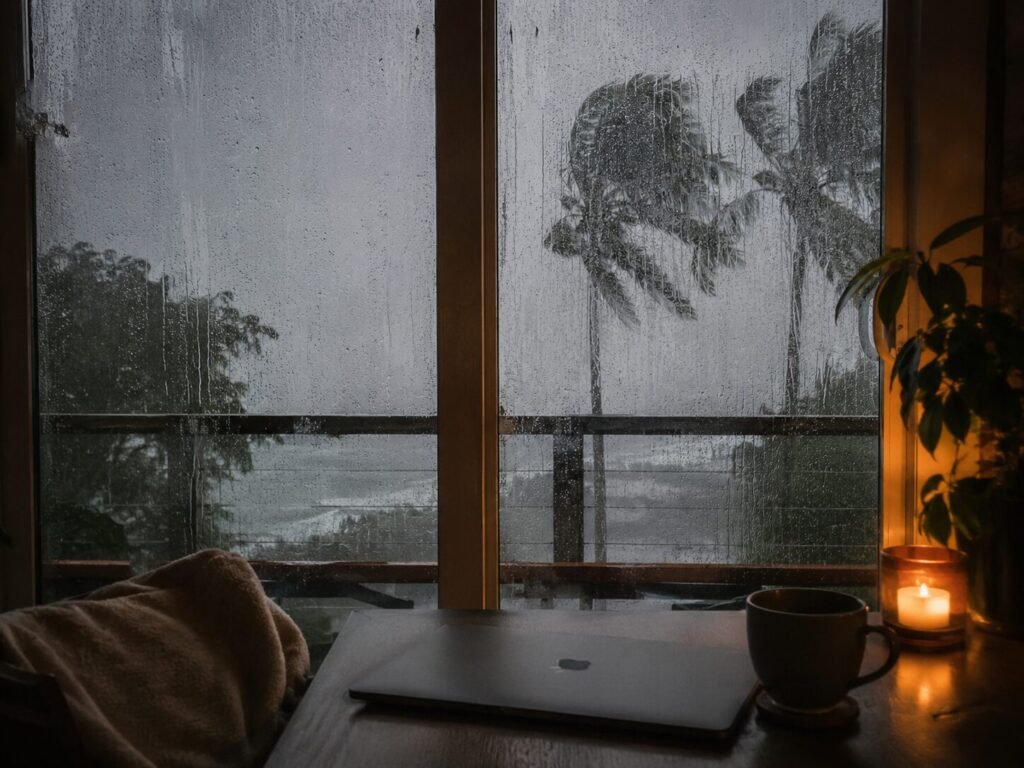
July is also typhoon season. About 1 in 3 July weeks in Batangas will have some typhoon-related weather. Most are minor (Signal #1 or no signal at all). A few are serious.
What to expect on a typhoon week:
- Fiber WiFi typically stays up through Signal #1 and most Signal #2 events
- Power may go out briefly — outages of 30 minutes to 4 hours are common during the worst-affected hours of a typhoon
- Travel in and out becomes risky — SLEX southbound is usually fine, but local Batangas roads can flood
- Restaurants and SM Lipa may shorten hours
The practical move: keep a buffer day on either side of your travel windows during July and August. If the forecast turns bad, push the arrival or departure by 24 hours. Direct booking with HavenInLipa makes this easy — message the host, we’ll adjust dates if conditions warrant.
A serious typhoon is a 1-in-3-summer event in Batangas, not a weekly thing. Working from Lipa in July is much more about steady rain than catastrophic weather.
Who this works for (and who it doesn’t)
This works well if you are:
- A remote worker on a fixed schedule who needs consistent WiFi and quiet
- A solo traveler or couple who can self-direct without an office routine
- Someone who’s tried co-working spaces and didn’t love them
- A creative or analyst doing deep, focused work
- A Manila resident burning out and needing a 1-to-4 week reset
This works less well if you are:
- Someone who needs daily face-to-face interaction with coworkers
- A nomad who lives in coffee shops and needs that energy
- Someone who needs the beach as a daily decompression
- Highly social or hospitality-focused (Lipa is quiet, sometimes very)
- Someone who can’t tolerate any rain
For the daily-beach types, July in Lipa won’t replace Siargao. But for everyone else, this is the most underrated remote-work setup within an hour of Manila.
Extended-stay rates and how to book
The published nightly rates at HavenInLipa already beat Airbnb (no service fees, see our Book Direct vs. Airbnb breakdown). For stays of 7 nights or more, message Melody for a weekly rate. For 30+ nights, a monthly rate is meaningfully cheaper.
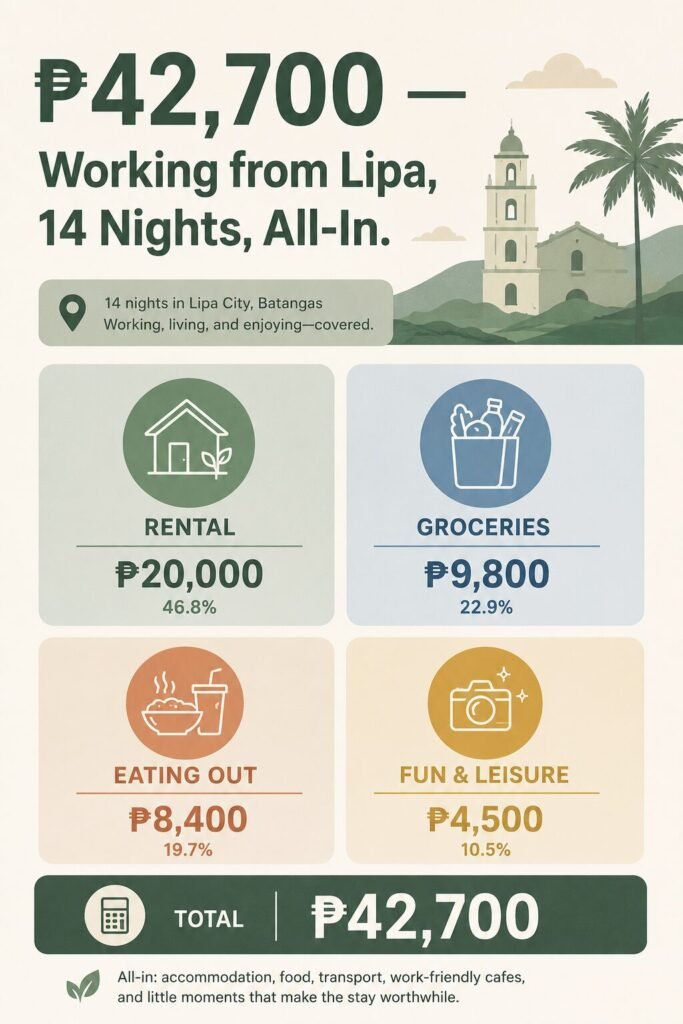
A working remote-work budget for 14 nights at the 1BR in July, all in:
| Item | Cost (PHP) |
|---|---|
| 1BR rental (14 nights direct, weekly rate) | ₱28,000 |
| Power, water, fiber WiFi | Included |
| Round-trip Manila → Lipa (gas + tolls) | ₱1,700 |
| Groceries for in-rental cooking (14 days) | ₱4,500 |
| Eating out (10 meals out, mid-range) | ₱5,000 |
| Coffee and café stops | ₱1,500 |
| Weekend activity / one big meal | ₱1,500 |
| Total for 14 nights | ₱42,700 |
That’s roughly ₱3,050 per day, all in. For a fraction of what most Manila-based digital nomads pay for an equivalent space in BGC or Makati. The remote-work calculus simply works.
For Work From Lipa, our flagship remote-work guide, has the all-season case. This article is the July-specific version.
Common rainy-season WFL questions
Will the WiFi handle two simultaneous video calls?
Yes. We’ve tested two laptops on Zoom plus a tablet streaming with no degradation. 400 Mbps fiber has the headroom.
What if I need to renew a visa or do banking during my stay?
Lipa has all major Philippine banks (BPI, BDO, Metrobank, Security Bank) within a 10-minute drive. Foreign nationals doing visa work or banking can manage everything locally — no need to return to Manila mid-stay.
Can I work from the rental’s living room or balcony instead of the desk?
Yes — both units have multiple zones. The desk is the most ergonomic. The living room sofa with a lap desk is fine for shorter sessions. Outdoor work in monsoon season is mostly not workable.
Is there a Sim card option with strong coverage in Lipa?
Smart and Globe both have full coverage in Lipa proper. For travelers who want a Sim with data backup in case fiber drops, Smart Bro 5G has the strongest reliability locally. Buy a Sim at SM Lipa on your first day if you need one.
What about mosquitoes during rainy season?
Real. Bring repellent. The rental has window screens and we keep mosquito coils available, but the village has standing-water bites for the first hour of evening.
Ready to plan your Lipa trip?
We’ve got five places to stay in Lipa — all bookable direct, no Airbnb fees:
Just the two of you, or a small family
- 👫 Cozy 1BR — sleeps up to 5, solar backup during brownouts, from ₱1,500/night
Family or barkada trip
- 👨👩👧👦 Spacious 2BR — sleeps up to 9, from ₱2,800/night
- 🏰 Mickey in Lipa — Family Staycation — Disney-themed, sleeps up to 7, from P2,500/night
Big group or multi-family getaway
- 🏰 Mickey in Lipa — Family House — sleeps up to 11, from ₱4,500/night
- 🏰 Mickey in Lipa — Full Family House — sleeps up to 15, from ₱6,500/night
💸 Booking direct saves you 15–20% vs. Airbnb — here’s why